
Empowering Growth | Specialized Training on Effective Communication in Executive Visits
The specialized training on "Effective Communication in Executive Visits" hosted by UPSTAR & KINGSKY Semiconductor concluded successfully!
(2026)
"Effective Communication in Executive Visits" Specialized Training
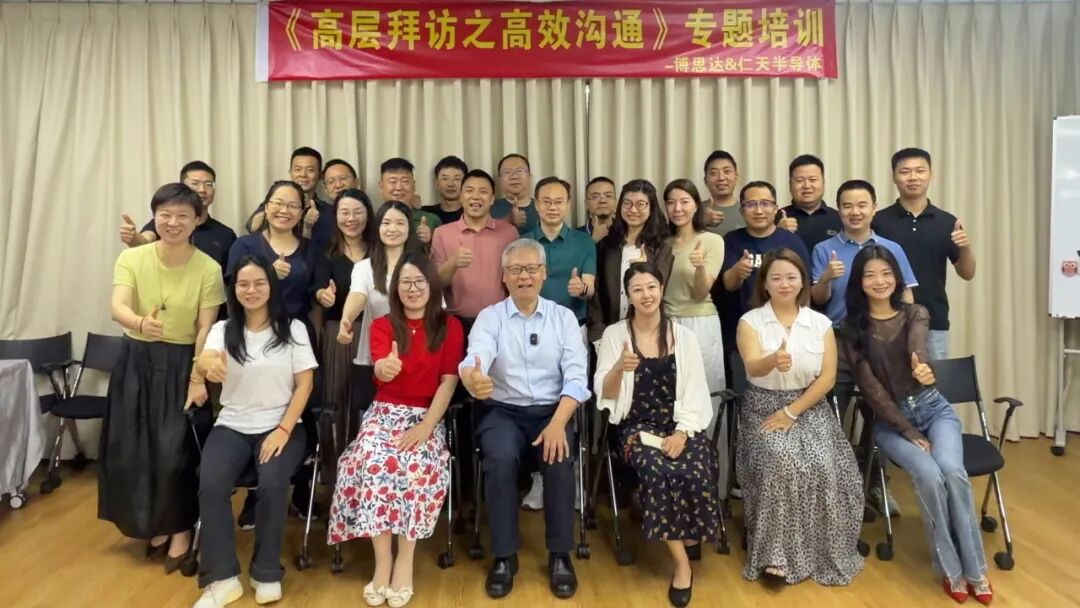
In today's increasingly competitive semiconductor industry, building deep trust with customers' senior executives and transitioning from transactional selling to value-based selling is a challenge every distributor must face.
On April 11-12, the KINGSKY Semiconductor & UPSTAR teams invited a seasoned external trainer to the Shenzhen headquarters for a two-day specialized training on "Effective Communication in Executive Visits." Dozens of participants joined, including the sales team, the technical support team, and the management.
On-Site Highlights: Memorable Moments
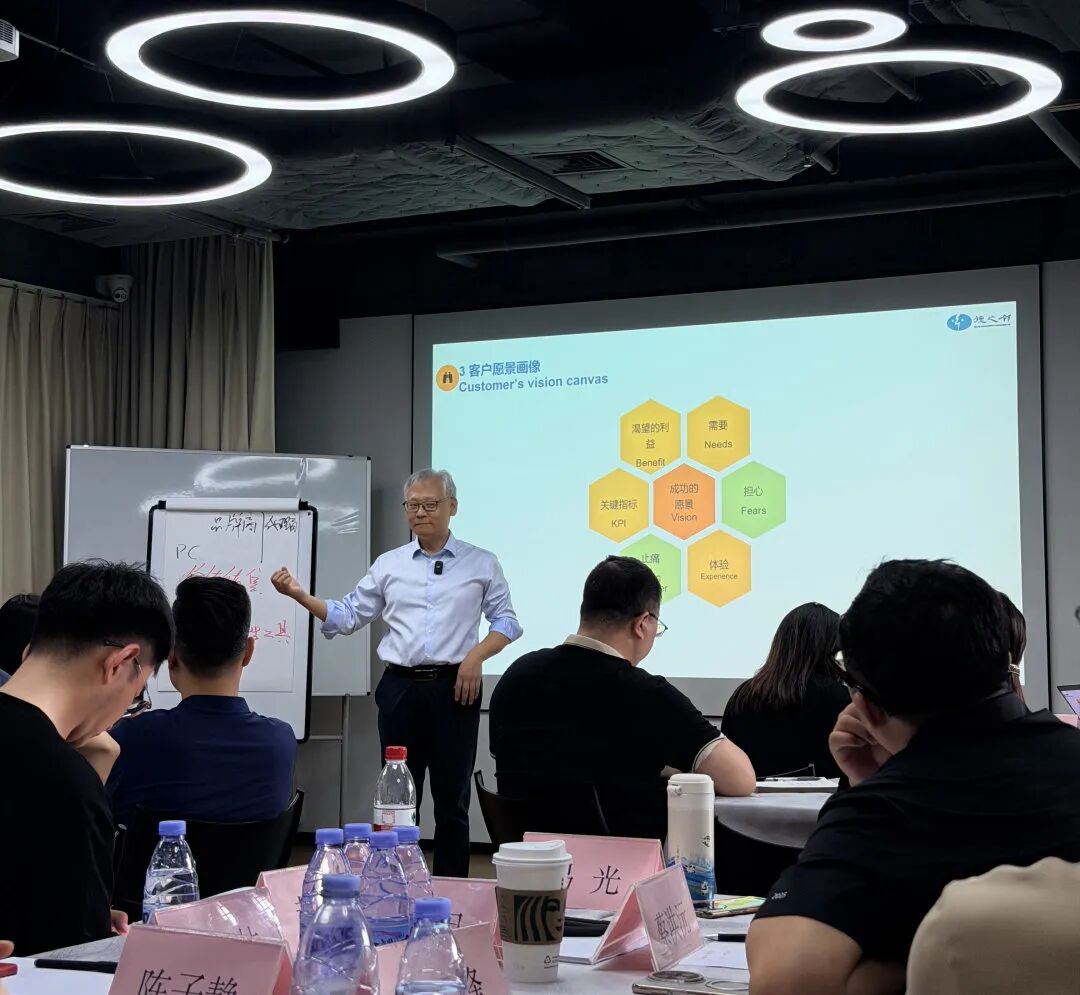
The instructor delivering an engaging presentation in class
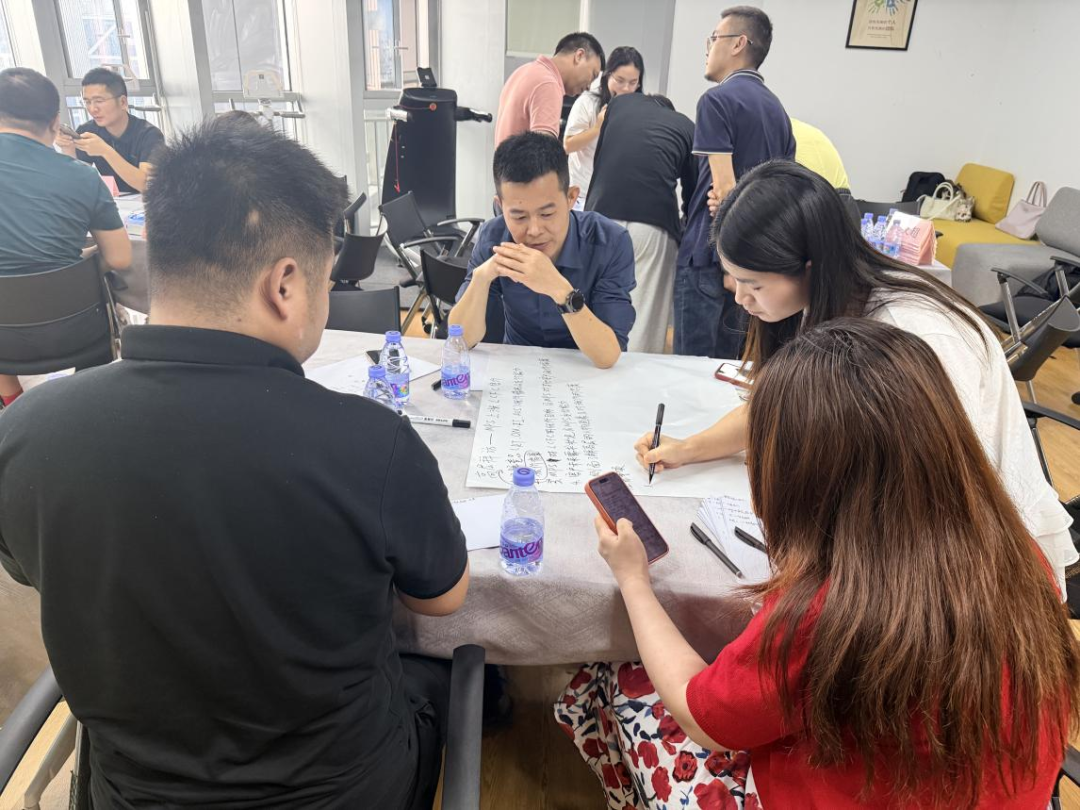
Participants working in groups and interacting enthusiastically
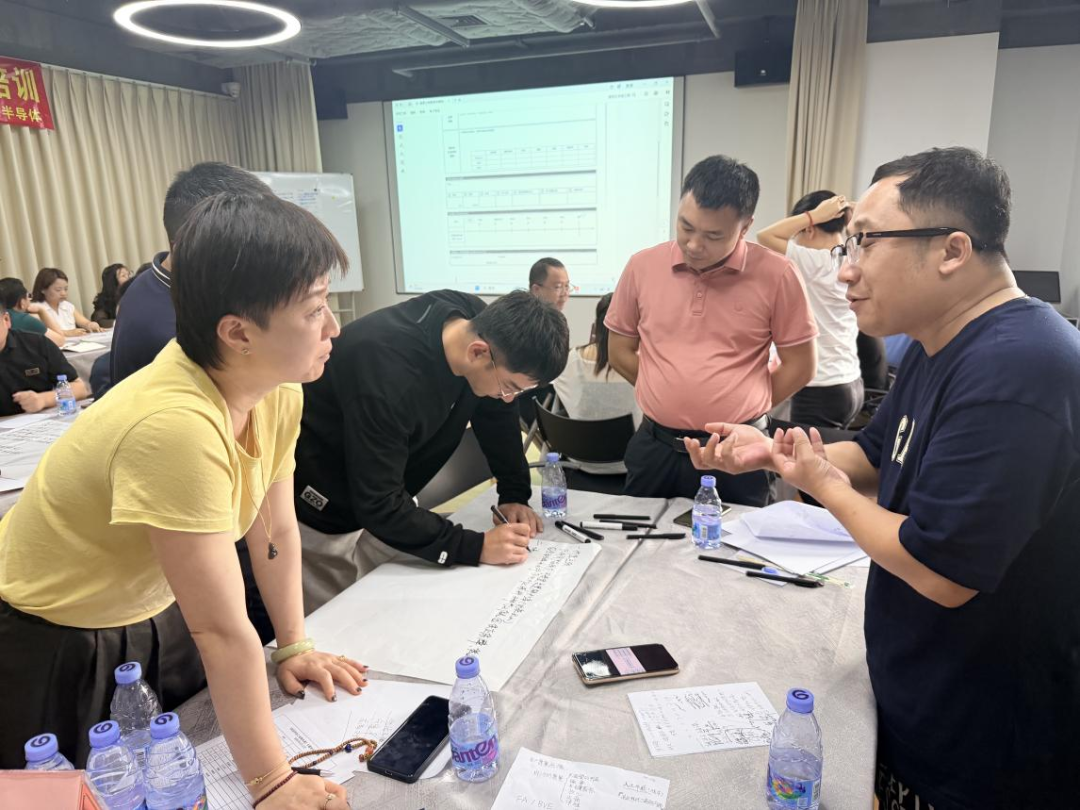
During the group workshop, participants exchanged practical experience in depth
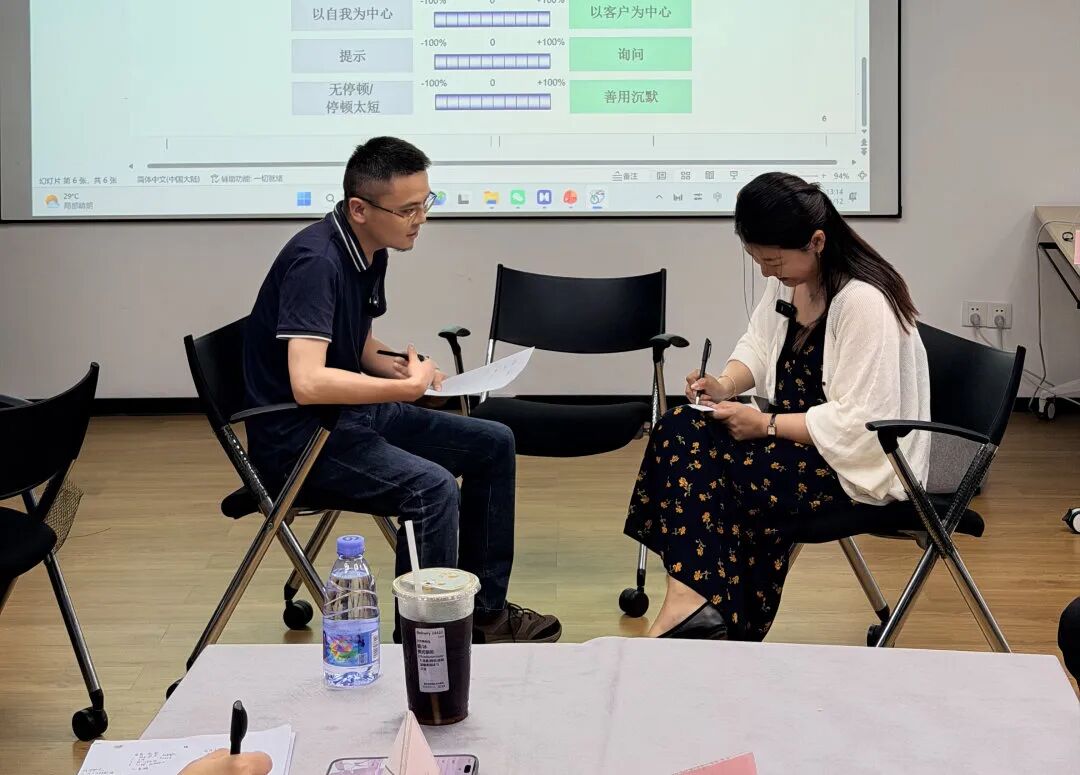
Participants in hands-on practice
[Core Content Recap]
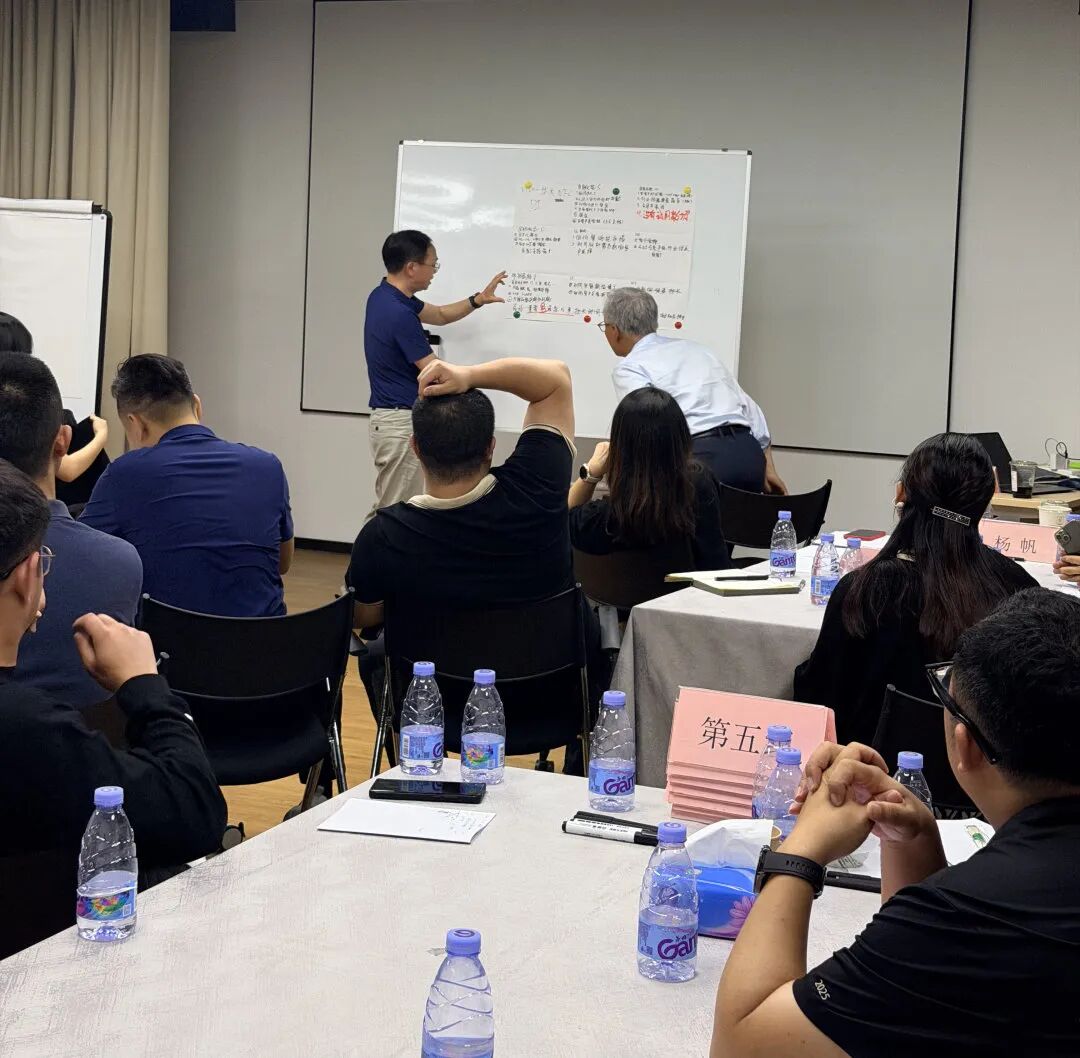
Why Pursue Executive-Level Marketing?
The session opened by striking straight at a familiar pain point: in the electronics industry, manufacturer teams often reach out directly to the front line, leaving customers' senior executives feeling they might as well deal with the manufacturer directly rather than through a distributor. In this situation, how can a distributor demonstrate its own irreplaceable value?
The instructor pointed out that executive-level marketing is essential in four dimensions:
● Building strategic partnerships
● Differentiating sales strategies
● Selling total solutions
● Creating new demand
More importantly, there is less competition at the top - senior executives rarely raise price objections and care more about value than unit price. This is precisely the key breakthrough for breaking out of the low-price competition trap.
Who Are the Executives? How Do You Identify the Decision Center?
The training introduced the Decision Center Analysis model, helping participants systematically map the key roles in a customer organization:
● Decision Maker (DM): the person with the final authority to approve and sign off on the project
● Approver (AP): the senior leader who can overrule a subordinate's decision
● Recommender (RC): middle managers or experts with advisory, recommendation, and evaluation functions
● User (DU): the direct user of the product
● Influencer (AD): internal or external parties who can influence the decision
The instructor emphasized: aim at the decision maker who can make the adoption decision on your proposal! At the same time, use the 5C rules to find ways of influencing the decision maker - cultural identification (Culture), candid critic (Challenge), close collaborator (Co-operate), confidant (Console), and celebration companion (Celebrate).
The CVFM Model: Finding and Matching Customer Value
The core tool of this training was the CVFM (Customer Value Finding and Matching) model, which consists of seven steps:
● Trend analysis: the driving forces in the customer's industry (economic, technological, political, competitive, etc.)
● Customer pain point map: identifying burning issues, medium-priority issues, and long-term issues
● Customer vision profile: needs, desired benefits, vision of success, concerns, experience, and KPIs
● The customer's ability and willingness to pay
● Alternative solutions (including competitors')
● Why choose this solution?
● Why should they choose us?
This methodology helps sales teams shift from selling products to selling value, replacing technical jargon with business language executives understand (revenue, risk, efficiency), and truly winning over decision makers.
Six Capabilities for High-Efficiency Communication
The instructor presented six quality criteria for successful sales communication:
● From negative to positive: use constructive wording to turn problems into solutions
● From monologue to dialogue: give the customer 80% of the conversation space
● From problem mode to solution mode: focus on goals, benefits, and possibilities
● From self-centered to customer-centered: ask the right questions
● From prompting to inquiring: ask positive, open, and exploratory questions
● From pausing too briefly to using silence well: pause for 2-5 seconds each time so the customer can think and share
One particular highlight was the one-minute elevator pitch drill: if you run into the customer's CEO in an elevator and have only 60 seconds, how do you use the 4C criteria (Clear, Customer-focused, Compelling, Credible) to explain who you are, why you are here, what benefits you can bring, and secure the next meeting.
Hands-On Practice and SOP Development
The training combined instruction, case studies, and drills. Participants worked in groups on practical exercises such as role-playing, whiteboard presentations, and pain point mapping. After the sessions, each group divided up the work by product line and customer industry and refined two sets of SOPs:
● SOP for the preparation stage of executive visits
● SOP for the meeting stage of executive visits
These two sets of SOPs will serve as standard operating procedures for the company's sales team, to be continuously iterated and optimized.
[Participant Feedback]
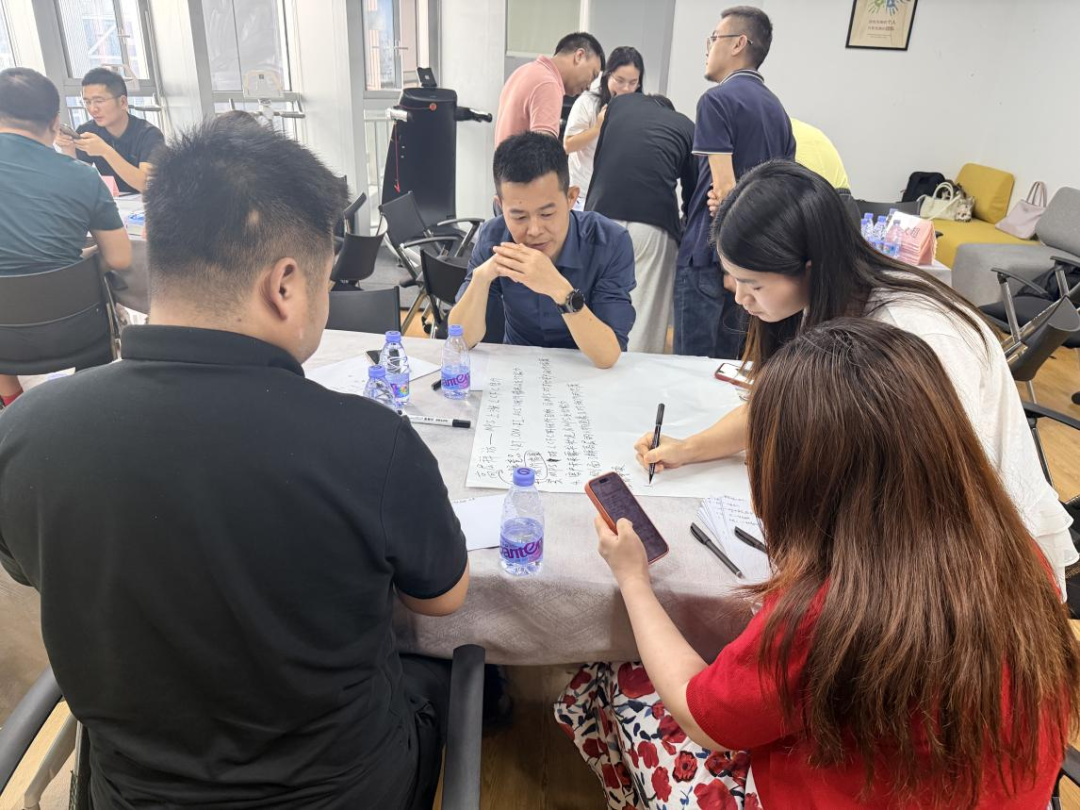
Participants widely commented that the training was packed with substance and highly practical. One veteran salesperson said: "I used to feel uncertain when meeting customers' senior executives, never knowing what to talk about. Now that I have the CVFM tool and Decision Center Analysis, I feel like I have a battle map."
Another technical support engineer said: "I used to think executive visits were only the sales team's job. Now I realize the technical team can also create value for executive conversations through industry insights and solution-oriented thinking."

The two-day training flew by, but learning and practice have only just begun. UPSTAR & KINGSKY Semiconductor will continue to drive capability upgrades in their sales teams, moving from relationship-driven to value-driven, and from price competition to differentiated competition.
As the instructor said: "Executive-level marketing is not a sales technique but a strategic mindset. When our team can converse in the language of executives, think from their perspective, and act on their concerns, trust and partnership will follow naturally."
The training is only the starting point; the real test comes the moment you step into a customer's office. We hope everyone will face every senior executive with structured thinking, professional communication, and genuine value, so that every visit delivers progress and results. Let's turn our commitments into performance. Let's go!